U.S. Government Purchases Citadel Defense Technology to Prevent Drone Attacks in Highly Sensitive Areas
Citadel Defense receives counter drone contract of undisclosed value to protect over a dozen sensitive locations from weaponized drones
PR Newswire
SAN DIEGO, May 16, 2019
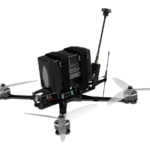
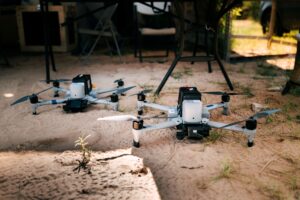
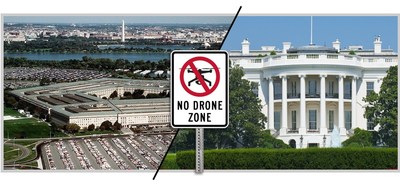
SAN DIEGO, May 16, 2019 /PRNewswire/ — Commercially available drones are being adapted for nefarious use and can be employed by terrorists and criminals to drop explosive payloads, deliver harmful substances, conduct illicit surveillance, and execute harmful cyber security attacks on a network. In the most restricted and sensitive airspace in the United States where there are federal no-fly zones for drones, frequent sightings are being reported.
Customer-Preferred Counter Drone Solution
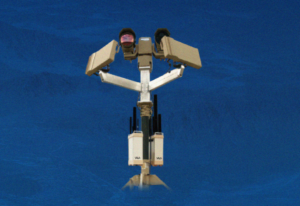
To prevent the threat in high stakes urban environments, a classified government customer has deployed Citadel Defense’s Titan C-UAS solution. After evaluation of over twenty counter drone technologies, the Defense customer awarded Citadel with the contract to detect, identify, and defeat threat drones and swarms.
When asked about concerns of the drone threat outpacing laws and regulation, Citadel Defense’s Chief Executive Officer, Christopher Williams replied: “We have a proven solution with a track record of success that is available today. Our goal is to give our nation’s military, law enforcement, and security teams an enduring competitive advantage against those who threaten our security and safety with improper use of drones.”
Complying with Regulation While Staying Ahead of the Threat
In less than 3 minutes, the Titan system can be setup and operable with a hemisphere of protection that extends beyond distances many drones can fly. Citadel disrupts the drone’s controller and video link signals, forcing the drone to safely returns home or land in place without interfering with WiFi signals. Citadel’s non-kinetic system maintains a secure airspace and reduces the risk of collateral damage. The Titan system is a proven solution for critical infrastructure, airports and stadiums.
Christopher Williams explained, “We are working with customer’s that have proper authority to use the technology today. Our customer recognizes the public benefit to safely preventing threat drones from causing harm. As regulations loosen and more locations can be protected, Citadel wants to be the technology of choice for drone threat prevention.”
ABOUT CITADEL DEFENSE:
Citadel Defense is a counter-drone (C-UAS) technology company specializing in development and deployment of drone security solutions for military, homeland security and commercial applications. Our technology has been operationally validated by commercial, Government, and military users including, the US Navy, US Special Forces, US Army and the Department of Homeland Security. For media inquiries, contact cwilliams@dronecitadel.com or visit www.dronecitadel.com.
 View original content to download multimedia:http://www.prnewswire.com/news-releases/us-government-purchases-citadel-defense-technology-to-prevent-drone-attacks-in-highly-sensitive-areas-300851383.html
SOURCE Citadel Defense