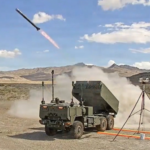
Moving to a comprehensive architecture strategy and facilitating greater discussion with industry on cyber security are critical steps needed to address future military system capabilities, according to industry officials.As the effort grows across the armed services to replace legacy systems, industry is seeking to start implementing new architecture standards from the ground up to foster greater integration and functionality, according to a group of panelists at sister publication Defense Daily’s Open Architecture Summit Oct. 19.“No longer are we protecting boxes, are…
Congress Updates
SASC’s FY ‘27 NDAA Sticks With Army’s Plan For Legacy Aviation Procurement Cuts
The Senate Armed Services Committee’s (SASC) version of the next defense policy sticks to the Army’s proposed plan to cut procurement of its legacy aviation fleet, and does not authorize […]
SASC Approves $1.14 Trillion FY ‘27 NDAA With ‘Right to Repair’ Reform, Stock Buyback Restriction
The Senate Armed Services Committee (SASC) has approved its $1.14 trillion version of the next defense policy bill, adopting “right to repair” reform to provide the military services’ greater ability […]
House Appropriators Unveil $1.07 Trillion FY ‘27 Defense Bill, Restore Funds For E-7, Army Aviation
House appropriators on Wednesday released their $1.07 trillion fiscal year 2027 defense spending bill, with the legislation reversing Army aviation cuts, restoring funding for the Air Force’s E-7 Wedgetail program […]
MOSA Implementation By Pentagon Lagging, GAO Official Says
While the Modular Open Systems Approach (MOSA) has been a requirement for major defense acquisition programs since January 2019 and other Defense Department acquisitions since January 2021, few programs are […]
By