 By
By 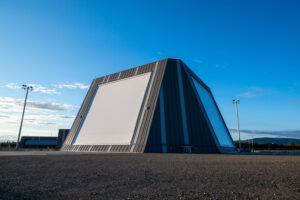
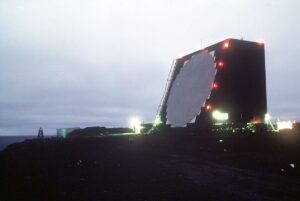
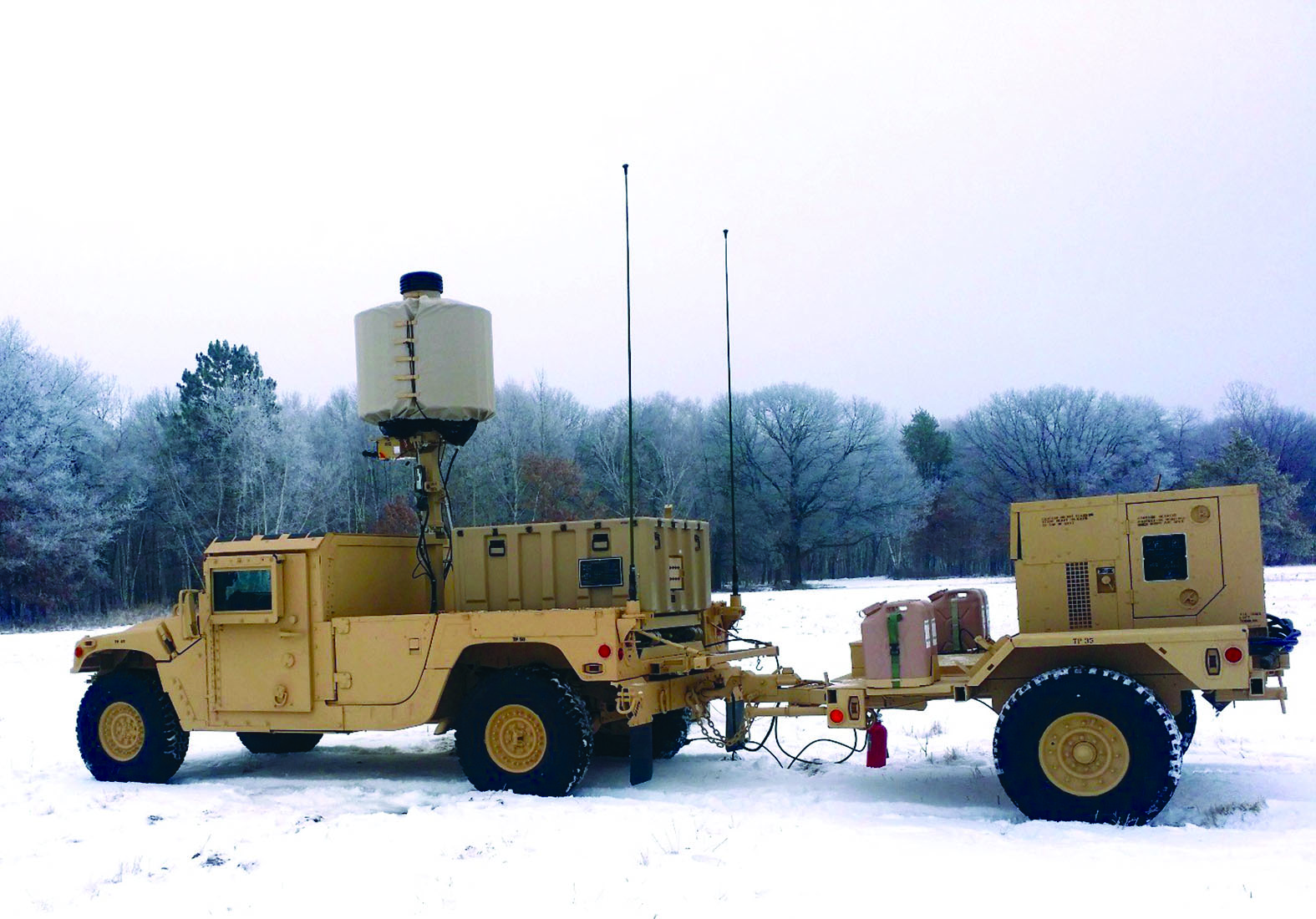
The Missile Defense Agency (MDA) is investigating industry capability and interest in producing a new mobile radar to support the Golden Dome program.
According to a July 24 Request For Information (RFI), MDA said it envisions the new radar as a mobile sensor that can be physically emplaced and operational within 24 hours and that can acquire, track and discriminate missile threats to the homeland, but this includes multiple phased array panels combined for a larger system.
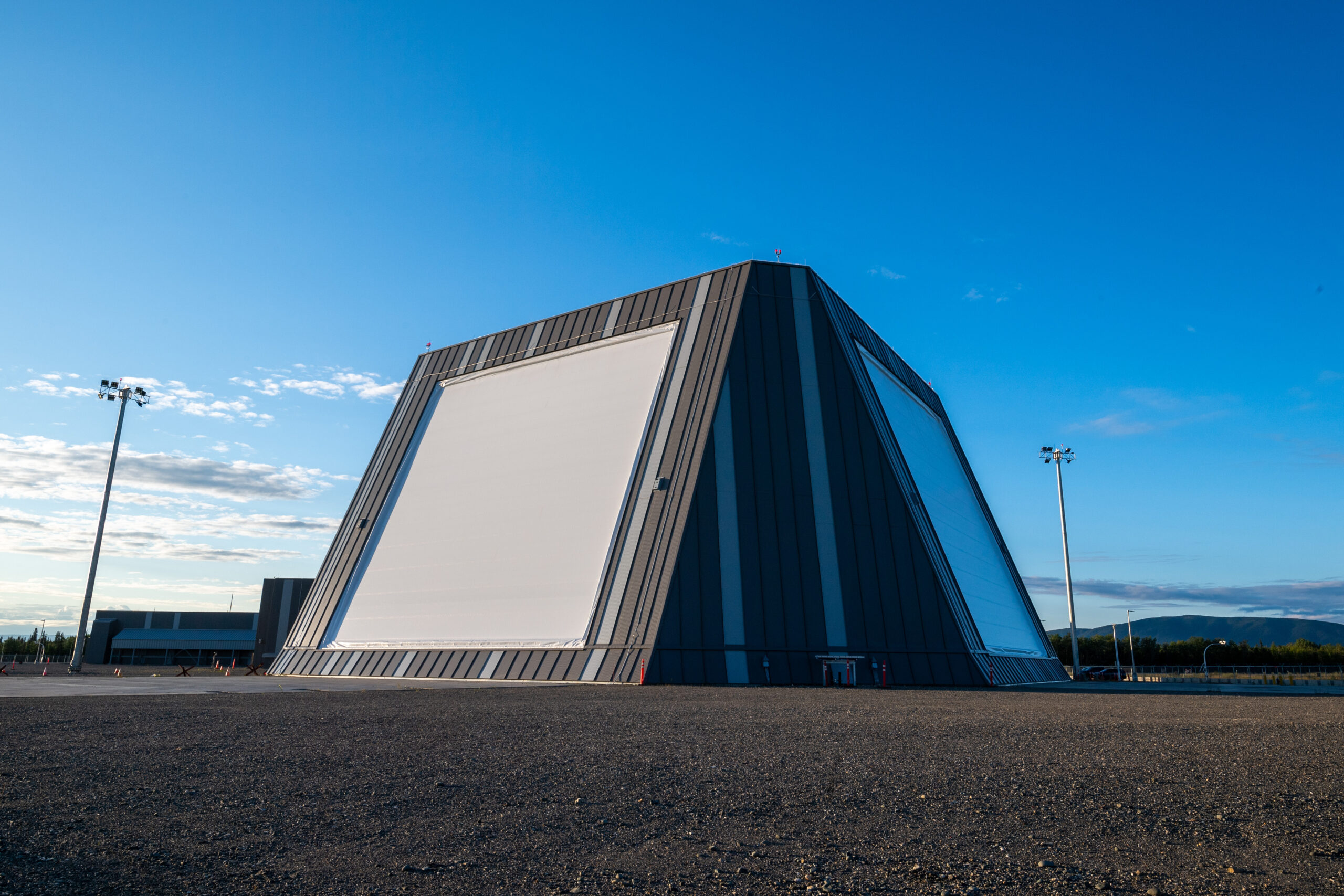
Like much of Golden Dome, MDA is imposing short notional timelines, with production on the first unit ready by December 2028 and two more produced by December 2029.
The notice outlined notional threat vignettes divided into ballistic, hypersonic and cruise missile defense.
MDA aims for the ballistic missile defense detection to be at a range of nearly 1,400 miles; targets will be complex with up to multiple re-entry vehicles, spent booster, decoys, jammers and debris; and deal with 24 missile defense targets.
The hypersonic vignette focuses on detection at 233 miles, each hypersonic missile target consisting of a glide body, decoys and jammers; and include 10 hypersonic defense targets.
Likewise, the cruise missile defense vignette is envisioned as operating at a 124 mile range, with cruise missile targets consisting of an aerodynamic cruise missile body, decoys and jammers; and up to 24 cruise missile defense targets.
The notice said the radar system should be able to acquire and track a total threat raid consisting of the 24 ballistic, 10 hypersonic and 24 cruise missile targets simultaneously at the ranges for the vignettes.
“The capability to perform low elevation acquisition will be very important for hypersonic and cruise missile threats. It is expected that potential offerors will describe their design approach to deliver this capability,” the notice said.
MDA also wants the radar to be able to discriminate between which objects carry the warhead from decoys, debris and other inert objects within 180 seconds of track time.
It is not clear how much modern radar sensors can discern the vehicles with warheads vs. decoys designed to appear and weigh similar amounts. Most long-range nuclear-armed ballistic missiles from Russia and China can have sophisticated decoys.
In March, Michael Griffin, former Under Secretary of Defense for Research and Engineering under the first Trump administration, said a space-based midcourse phase system could work better than a boost-phase system, but underscored discrimination between weapons and decoys in space is not much better than in the 1980s and 90s (Defense Daily, March 24).
Other required capabilities the RFI listed include field of view elevations, specific track accuracy rates, be able to provide in-flight guidance updates to interceptors, ability to interface with MDA’s Command, Control, Battle Management, and Communications, (C2BMC) and the Army’s Northrop Grumman [NOC] Integrated Battle Command System (IBCS); able to be calibrated for mission requirements within 48 hours; have a footprint up to 100 by 100 meters; be capable of 24/7 operations for up to 90 days at a time and easily sustainable in the field; provide mitigations to jamming; and require only up to two onsite personnel purely in the maintainer/caretaker role with remote radar operations.
Responses are due by Sept. 7.