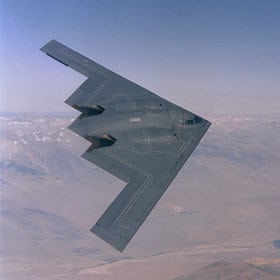

It’s only been a month since the Air Force released a request for proposals for its Long-Range Strike Bomber (LRSB) program, and already there are deep concerns on how the service is going to be able to afford it.
The Air Force released little in the way of detail about the program with the RFP, declining to describe when proposals were due or release any other information about the classified project. Northrop Grumman and a Boeing/Lockheed Martin team are expected to be the prime competitors.
The burning question for any new, expensive program like LRSB is where leadership will find the money for it, and there are no easy answers for this program, which could spell trouble. Aboulafia said the service may need $50 billion within a decade to fund all 75 current aircraft. There is money in the Future Years Defense Plan to get the program started, but “that only gets you so far,” he noted.
And in order for the Air Force to achieve that, it will have to do far better in terms of costs than when it built the B-2. The service spent $40 billion for just 21 aircraft in the end, Aboulafia said.
“It’s a challenge keeping cash in the procurement budget to buy more than 21, which was the last bomber experience, and no one wants to repeat that,” he said. “Seventy-five is the current objective, and there’s talk of going north from there. You have to hope that this thing comes to production at a time when they’re not watching procurement fall apart.”
The Air Force needs the LRSB program badly enough that other priorities could be sacrificed to keep the program funded. The service’s current bomber fleet is getting old: its 76 B-52 Stratofortresses average 50 years in age, and its 63 B-1s average 28 years old.
The Air Force is aiming for a post-development price tag of $550 million per aircraft. A Congressional Research Service report notes that some analysts believe that could top $810 million once development is factored in. That would put the cost of the program at a budget-breaking $60.75 billion for 75 aircraft. If the Air Force opts for as many as 100 aircraft, it would cost the service $81 billion.
Such a price tag creates a problem for the Air Force similar to that for the Navy with its Ohio-class replacement submarines: The expensive but highly necessary new program threatens to crowd out funding for other programs within the Air Force’s aviation accounts. If costs go up as development gets underway, the service could quickly get stuck in another B-2 situation.