By Steven Wills, Defense Opinion Writer.
The U.S. Navy’s program executive office for unmanned systems and small combatants (PEO USC) is potentially on the chopping block for disestablishment, according to sources within Naval Sea Systems Command.
Its current largest program –the Constellation class frigate –may be cancelled, and its longstanding Littoral Combat Ship (LCS) program is ending. Because PEO USC was only created with the advent of a major review of the struggling LCS program in 2011, some in the sea service are pushing to retire it, turn the Constellation program over to the larger program executive office for ships that owns other Navy surface warships and realize some cost savings.
But this is a bad idea because it would leave the Navy’s growing unmanned systems community balkanized among larger surface and subsurface sponsors within the Navy bureaucracy, with less vested interest in the unmanned programs than in the larger destroyers and submarines that constitute most of their work.
Closing unmanned weapons offices didn’t speed up work
If the goal of disbanding the PEU USC is to speed up programs, history tells a different story. The cancellation of earlier unmanned systems offices, notably the Chief of Naval Operations staff office (OPNAV) for unmanned systems (OPNAV N99) in February 2017 did not did not speed up the introduction of unmanned systems into the fleet.
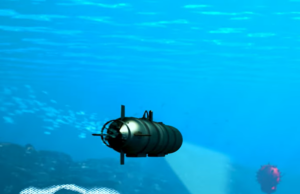
Its program supervisory authority was scattered to the traditional surface, subsurface and aviation program offices on the OPNAV staff. Many critical unmanned capabilities that were the responsibility of those offices, such as the M/Q-25A Stingray unmanned tanker, the extra-large unmanned underwater vehicle and medium and larger unmanned surface ships, remain behind schedule.
The Navy’s surface unmanned units are equally slow to enter the fleet, despite a burst of interest from technology companies such as Anduril, Palantir, Saronic and Blue Water Autonomy as well as new funding from Congress in the proposed 2026National Defense Authorization Act. Deleting a dedicated unmanned systems office did little to speed these new capabilities to the fleet.
A program executive office under fire
The Navy originally created PEO USC in 2011 to better manage the LCS program. The Navy later moved its unmanned systems portfolio there as well as the frigate program, along with the emerging ghost fleet ships that are the basis for Navy research into armed unmanned surface vessels.
PEO USC has been under fire over much of its existence. First, for challenges with LCS and later for delays and changes to the Constellation class frigate design. The tumult continued until recently when in May the Navy removed the last PEO USC leader in the wake of an inspector general investigation.
Shuttering PEO USC would leave Navy unmanned systems without any flag-level advocacy, and those vital programs would be at the whim of the traditional surface, subsurface and aviation platform sponsors.
Long-running conventional programs like the DDG-51 class destroyer, the Virginia class submarine and the F-35B and F-35C aircraft would likely gain budgetary advantage over their less costly unmanned counterparts due to the flag-level influence of the officers advocating for those programs.
Already, the Navy’s big-ticket, unfunded requirement is for a sixth-generation manned fighter — not to help critical unmanned systems join the fleet in needed numbers.
Flag officer representation is essential
Navy unmanned systems are now at a tipping point in their acquisition and fleet employment.
Navy surface, subsurface and aviation unmanned platforms are poised to team with crewed platforms to fundamentally increase the service’s warfighting capabilities. Getting them fielded rapidly and in sufficient numbers will take dedicated, flag-level leadership on the staff of the Chief of Naval Operations and the Naval Sea Systems Command, as well as senior executive leadership within the Office of the Secretary of the Navy.
Shifting responsibility for those vital unmanned programs to offices that manage the traditional manned warfare platforms won’t accomplish this goal. Worse yet, it will force on the unmanned fleet the same slow and tedious acquisition process that affects manned platforms.
To rapidly field the transformational unmanned systems needed by the fleet, the Navy should restore a two-star officer to advocate for unmanned platforms. The Navy should preserve PEO USC and focus that office on the rapid fielding of unmanned systems.
The Office of the Secretary of the Navy should also establish a deputy assistant secretary for unmanned units as a chief advocate. Previous revolutionary platforms including naval aircraft and submarines prospered when given flag-level advocacy and unmanned systems can equally benefit from flag leadership.
Steven Wills is the navalist at the Center for Maritime Strategy.

Are you a Defense Daily reader with a thought-provoking opinion on a defense issue? We want to hear from you.
- We welcome submissions of opinion articles on national security, defense spending, weapons systems and related areas.
- We welcome submissions from lawmakers, administration officials, industry representatives, military officials, academics, think tank experts, congressional candidates, international experts and others on issues important to the national defense community.
- We welcome a diverse range of opinions all along the political spectrum.
- Email: editor@DefenseOpinion.com