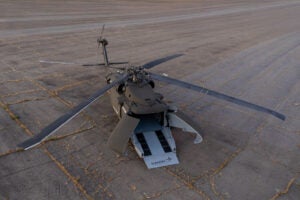
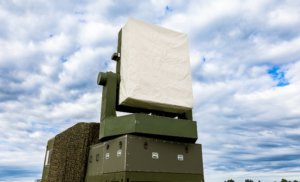
The Army’s fiscal year 2016 budget request acknowledges that it can’t have a ready force now and invest in future warfighting systems given the tight budget environment, so the service chose to prioritize operational readiness and higher troop levels now while taking risk in longer-term technological superiority.Given increasing global obligations, the Army’s budget request attempts to slow the reduction in the Army’s active duty force—not dropping to 450,000 active duty troops until FY ’18 instead of ‘17--and it boosts readiness…
Recommended
Trending
Congress Updates
House Heads For Recess Without Moving On NDAA After Procedural Vote Fails
The House will leave for the Fourth of July recess without moving forward on its $1.15 trillion fiscal year 2027 National Defense Authorization Act (NDAA), with a procedural vote to […]
Bipartisan Group Of House Members Introduce U.S.-Ukrainian Co-Production Bill For Unmanned Systems
A bipartisan group of six House legislators have introduced the Strategic Unmanned Systems Partnership Act–a bill to improve drone collaboration between the U.S. and Ukraine. Rep. Michael McCaul (R-Texas), the […]
Will $4 Billion For SB-AMTI/Space Data Network Backbone In Supplemental Reduce Or Add To Planned Funding For Systems In Reconciliation?
Nearly all of the Department of the Air Force’s fiscal 2027 procurement and research and development (R&D) budget for space-based air moving target indication (SB-AMTI) and the Space Data Network […]
House Appropriators ‘Concerned’ With JLTV A2 Delays, Shift Funds For Marines’ Second Supplier Effort
House appropriators have said they’re “seriously concerned” with Joint Light Tactical Vehicle (JLTV) A2 delays, as their fiscal year 2027 defense spending bill shifts funds to support the Marine Corps’ […]