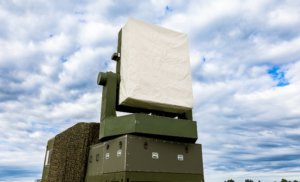
A series of experiments that began a year ago and are continuing have demonstrated that it is possible to detect that someone intends to do something bad by picking up on physiological and behavioral clues using sensors and complex software algorithms, the officials running the program for the Department of Homeland Security (DHS) tell TR2. The ability to detect "indicators" of malintent on individuals using the various technologies is "statistically significant," that is, much better than a 50-50 chance, says…
Recommended
Trending
Congress Updates
In Response To Flag Concerns, DoD Looks To Reduce Drone Prices, As Order for 30,000 Looms
The Pentagon is bargain shopping for Group 1 drones, as other countries, including Ukraine and China, have taken advantage of consumer electronics-level prices to bolster their stables. “In last spring’s […]
Amid Questions On Weapons Stockpiles, Caine Says U.S. Has ‘Sufficient’ Munitions For Iran Operation
Pentagon leaders on Wednesday sought to quell concerns over the rate at which the U.S. is employing critical munitions in its military strike campaign against Iran, with lawmakers also pressing […]
SASC Leaders Criticize Trump’s Defense Strategy, Press Colby On Policy Shifts
Senate Armed Services Committee (SASC) leadership on Tuesday criticized the Trump administration’s new National Defense Strategy (NDS) and pressed the Pentagon’s top policy official to explain the document’s priorities. SASC […]
Wicker Wants Legislation On DoD’s Equity Investments In Minerals Supply Chain
Legislation regarding equity investments by the Defense Department in critical mineral supply chains is needed to strengthen the larger defense industrial base and demonstrate to the “free market” that the […]