
Search

Defense Watch

Defense Watch
Gen. David Berger, the Marine Corps commandant. (Photo: U.S. Marine Corps)

Future Amphib Fleet. Gen. David Berger, the newly appointed Marine Corps Commandant, is looking to move away from his force’s long-held requirement for a fleet of 38 amphibious ships. Berger included the decision in his recently released planning guide and said an ongoing force structure assessment will inform a future ship requirement. “I do not believe joint forcible entry operations are irrelevant or an operational anachronism; however, we must acknowledge that different approaches are required given the proliferation of anti-access/area-denial…


Subscriber-only content. Please log in below.

Not a subscriber or registered user yet?

Please contact us at clientservices@accessintel.com or call us at 888-707-5814 (Monday – Thursday 9:00 a.m. – 5:30 p.m. and Friday 9:00 a.m. – 3:00 p.m. ET.), to start a free trial, get pricing information, order a reprint, or post an article link on your website.


Congress Updates

Senate’s CR Has Ship Construction Exemption, Forgoes White House’s Battleship, Munitions Requests

The Senate on Sunday released a bipartisan stopgap funding proposal to keep the government open through December 11, which would also secure additional funds to support ongoing shipbuilding efforts and […]


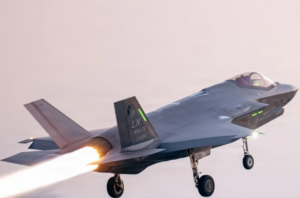
U.S. Fighter Fleet Will Expand By 2040 But More Stealth Aircraft Will Mean Less Availability, CBO Says

The number of fighter aircraft in the U.S. military inventory will decline over the next few years before expanding to a greater number than currently, but their availability for operational […]


White House Details ‘Concerns’ With Shipbuilding, Spaced-Based Interceptor Oversight In House’s NDAA

The White House has detailed “a number of concerns” with the newly-passed House version of the next defense policy bill, to include the legislation’s limits on procuring Navy ships built […]


House Narrowly Votes To Pass $1.15 Trillion FY ‘27 NDAA, Blueprint For Reconciliation 3.0

The House on Wednesday narrowly voted to pass its $1.15 trillion version of the fiscal year 2027 National Defense Authorization Act (NDAA) and a blueprint for a third reconciliation bill […]